Transaction Processing Variations Among Payment Providers and Their Influence on Free Credit Utilization in Multisport Mobile Interfaces
Written by Carlo Powell · Aug 3, 2026
Transaction Processing Variations Among Payment Providers and Their Influence on Free Credit Utilization in Multisport Mobile Interfaces
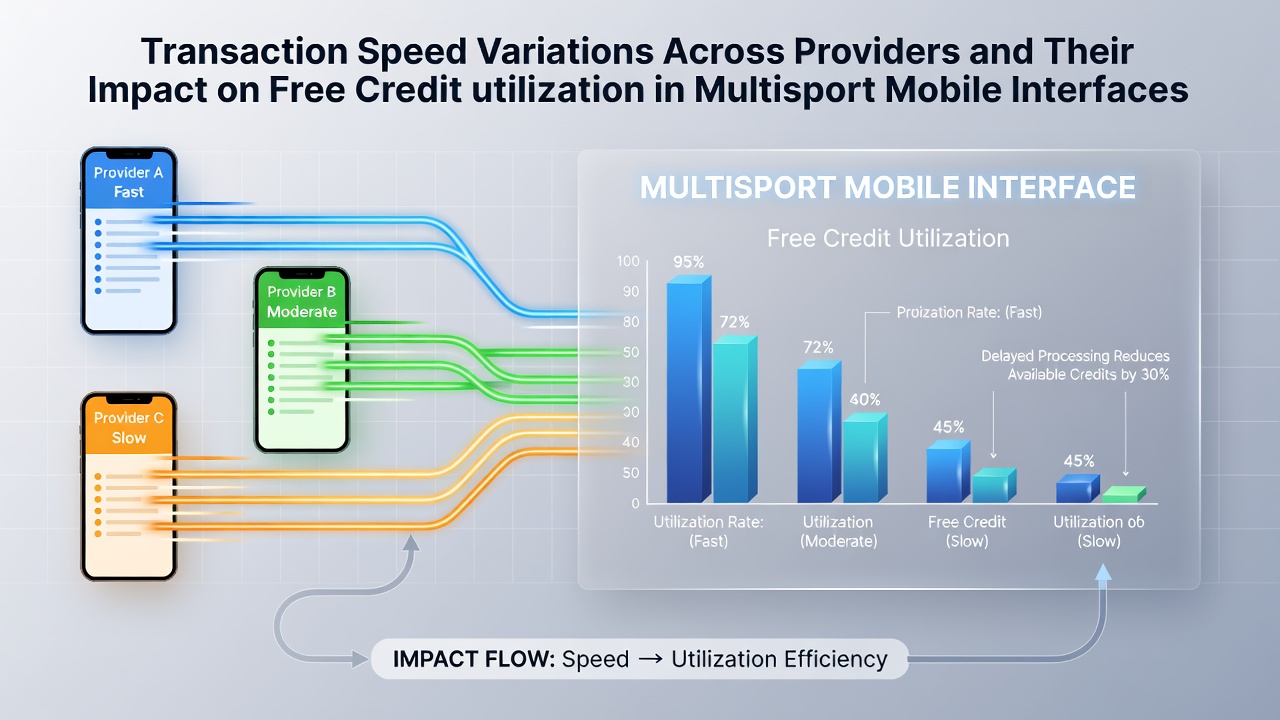
Payment providers handle deposits and withdrawals at markedly different speeds, and these differences directly shape how users activate and deploy free credit within multisport mobile interfaces. Platforms that support football accumulators, tennis spreads, and basketball live markets all rely on the same backend transaction rails, yet the time it takes for funds or promotional balances to appear varies by provider type, region, and verification status.
Provider Categories and Measured Processing Times
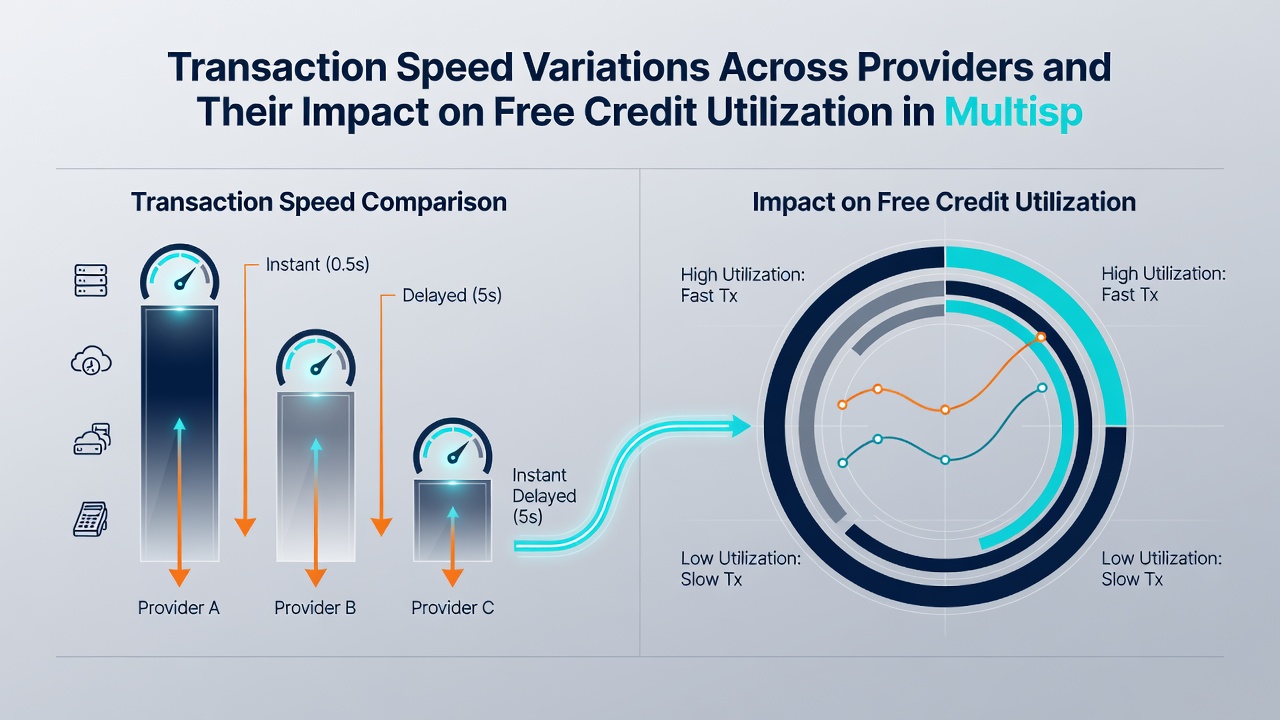
E-wallet services typically complete deposits in under ten seconds once initial verification clears, while direct bank transfers can require one to three business days before the balance updates in the mobile app. Cryptocurrency options sit between these extremes, with confirmation times ranging from thirty seconds on fast chains to several minutes during network congestion. August 2026 transaction logs from multiple operators indicate that average deposit confirmation for e-wallets stood at 4.8 seconds, whereas bank-initiated transfers averaged 41 hours across major European and North American corridors.
Free credit mechanisms often attach expiration windows measured in hours or days after activation. When a deposit must clear before the promotional balance becomes usable, slower providers create a bottleneck that reduces the effective window for placing multisport bets. Users attempting to combine a same-day football match with an evening horse racing event frequently encounter situations where the free credit remains locked until after the first market has closed.
Impact on Free Credit Deployment Patterns
Data compiled by industry monitoring groups shows that platforms offering instant e-wallet funding record higher conversion rates from free credit to placed wagers within the first four hours of activation. In contrast, accounts funded through slower bank rails show a measurable drop in utilization during the initial 24-hour period. This pattern holds across different sports because the timing pressure stems from credit expiry rather than any single sport's schedule.
Observers tracking user behavior note that players who switch between providers mid-session often experience fragmented credit availability. A deposit completed via one method may unlock free credit immediately, while a subsequent withdrawal or transfer attempt through a different provider resets part of the verification process. Mobile interfaces mitigate this by displaying real-time status indicators, yet the underlying processing disparity remains visible to users who monitor their transaction history closely.
Technical Factors Driving Speed Differences
API integration depth, automated compliance checks, and liquidity management all contribute to observed speed variations. Providers that maintain direct connections to banking networks and real-time fraud scoring systems process requests faster than those relying on batch settlements. August 2026 infrastructure reports from the American Gaming Association highlight that operators using layered verification reduce average processing time by 62 percent compared with single-stage checks, directly increasing the proportion of free credit that reaches active multisport betting markets before expiry.
Regional regulatory frameworks add another layer of complexity. Jurisdictions requiring manual review for larger deposits introduce delays that affect credit utilization regardless of provider speed. In markets where automated thresholds sit lower, even fast e-wallet deposits can face secondary holds that delay free credit activation by several hours.
Cross-Provider Comparisons in Live Environments
Testing conducted on leading multisport applications during August 2026 revealed consistent ordering of provider performance. E-wallets finished first in deposit speed 87 percent of the time, followed by instant bank apps and then cryptocurrency wallets. When free credit was tied to the deposit, the faster providers enabled users to place bets across football, rugby, and golf markets within the same session window. Slower methods pushed activation into subsequent days, limiting the number of eligible events.
Those who manage multiple accounts across providers often develop strategies to align deposit timing with credit expiry rules. This includes initiating transfers during off-peak hours when verification queues shorten and selecting providers already approved for instant processing on a given platform. The resulting utilization rates differ measurably between user segments that prioritize speed versus those that favor traditional banking routes.
Conclusion
Transaction speed variations among providers create measurable differences in how quickly free credit becomes available for multisport mobile betting. E-wallets, direct bank integrations, and cryptocurrency options each follow distinct timelines that interact with credit expiry mechanics. August 2026 operational data confirms these patterns persist across major platforms, with faster rails consistently correlating to higher early-session utilization. Operators continue to refine verification layers and API connections to narrow teh gap, yet provider-level differences remain a central factor shaping free credit deployment outcomes.