Digital Currency Flows: Tracing Instant Funding Paths to Multi-Leg Bet Growth in Soccer and Thoroughbred Markets
Written by Yves Lehmann · Aug 17, 2026

Digital Currency Flows: Tracing Instant Funding Paths to Multi-Leg Bet Growth in Soccer and Thoroughbred Markets
Data from multiple jurisdictions shows that digital currency transactions have accelerated funding speeds in online betting platforms, particularly for soccer accumulators and thoroughbred racing doubles during the first half of 2026, while August figures revealed continued expansion in multi-leg wager volumes across North American and Australian markets.
Payment rails built on blockchain networks allow transfers to clear in seconds rather than days, and operators report that users who fund accounts via stablecoins or other digital assets place multi-leg bets at higher frequencies than those relying on traditional bank wires or cards, according to industry analyses released in mid-2026.
Instant Settlement Mechanics in Global Betting Ecosystems
Regulatory filings from the Australian Transaction Reports and Analysis Centre indicate that digital asset inflows into licensed betting operators grew steadily through 2025 and into 2026, enabling bettors to move from deposit to active wager without the delays once common with international bank transfers; this speed supports rapid construction of multi-leg soccer and thoroughbred selections that combine events across different time zones.
One pattern observed by researchers at the University of Nevada Gaming Research Center involves users who receive winnings from an early leg of a parlay immediately reallocating those funds into subsequent legs, creating chained activity that was previously interrupted by processing lags; the same studies note that thoroughbred markets, with their frequent race schedules, benefit particularly from same-minute funding capabilities.
Multi-Leg Bet Volume Expansion Across Regions
Figures compiled by the Canadian Gaming Association for the period ending July 2026 demonstrate that accumulator and exotic bet types in soccer and horse racing increased when platforms offered digital wallet integration, with average bet counts per funded account rising in jurisdictions where instant deposits became standard; these trends continued into August without significant reversal.
Platform telemetry shared in industry white papers reveals that soccer markets generate the largest share of multi-leg activity because of the abundance of simultaneous fixtures, yet thoroughbred racing shows comparable growth rates when digital funding removes friction between races; bettors often build parlays that span both sports within a single session once balances update in real time.
Tracing Transaction Paths and Compliance Frameworks
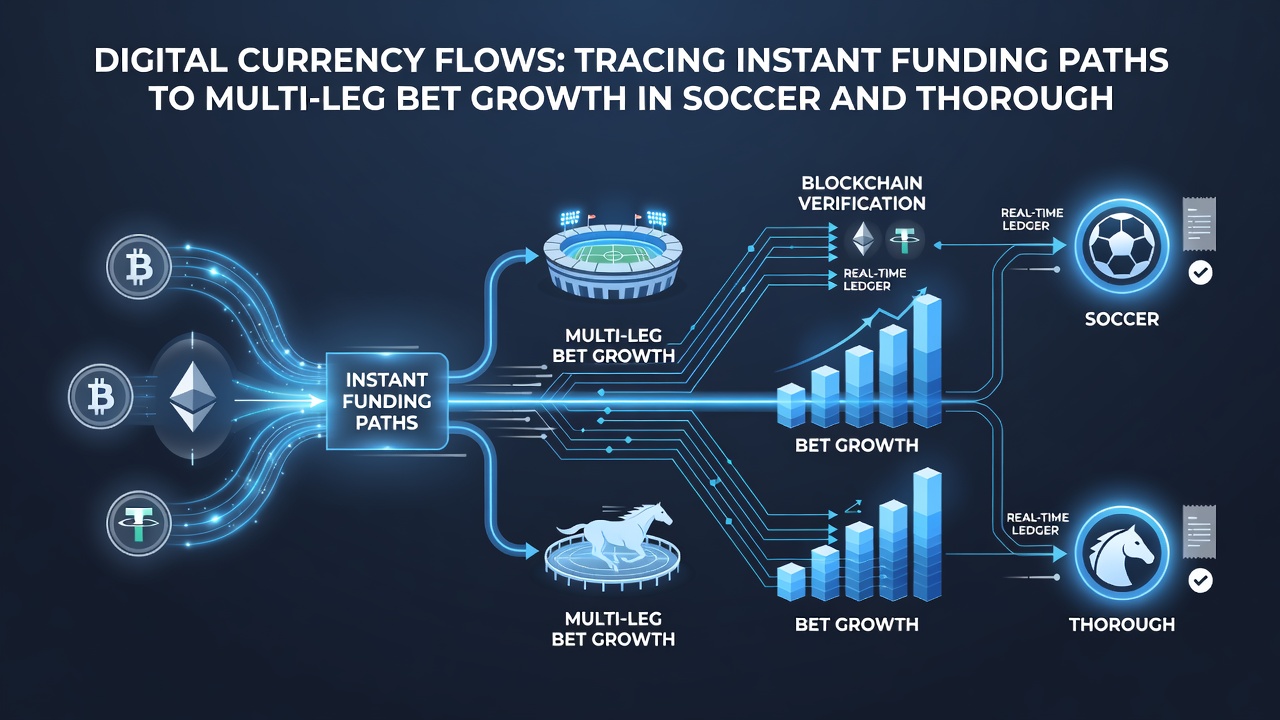
Blockchain analytics tools employed by operators allow tracing of funds from initial deposit through successive bet placements and payouts, satisfying requirements set by bodies such as the Financial Crimes Enforcement Network in the United States and equivalent agencies in Singapore; these records show clear linkages between instant funding events and spikes in multi-leg ticket creation during major soccer tournaments and thoroughbred festival periods.
Observers at European research institutions tracking cross-border flows note that stablecoin usage reduces chargeback risks for operators while providing bettors with transparent audit trails, which in turn supports higher volumes of complex wagers that combine soccer goal totals with thoroughbred place finishes; data from August 2026 indicates no slowdown in this segment despite broader economic variables.
Market-Specific Funding Patterns
In soccer, the density of midweek and weekend fixtures creates opportunities for rapid re-staking, and thoroughbred calendars in Australia and North America feature overlapping meetings that reward quick funding; reports from the Asia-Pacific Gaming Council highlight that operators offering digital currency options recorded elevated multi-leg participation rates compared with those limited to slower rails.
Transaction logs examined in academic papers demonstrate that users frequently shift between wallet types depending on the size and complexity of intended bets, with larger multi-leg structures more commonly funded through assets that settle near-instantly across borders.
Conclusion
Records from regulatory and academic sources across multiple continents establish that digital currency adoption has shortened funding intervals and coincided with measurable increases in multi-leg betting activity within soccer and thoroughbred sectors through August 2026, while compliance mechanisms continue to track these flows for transparency and risk management purposes.