Aligning Payment Schedules with Multi-Market Strategies in Soccer and Equine Betting
Written by Yves Lehmann · Nov 1, 2026
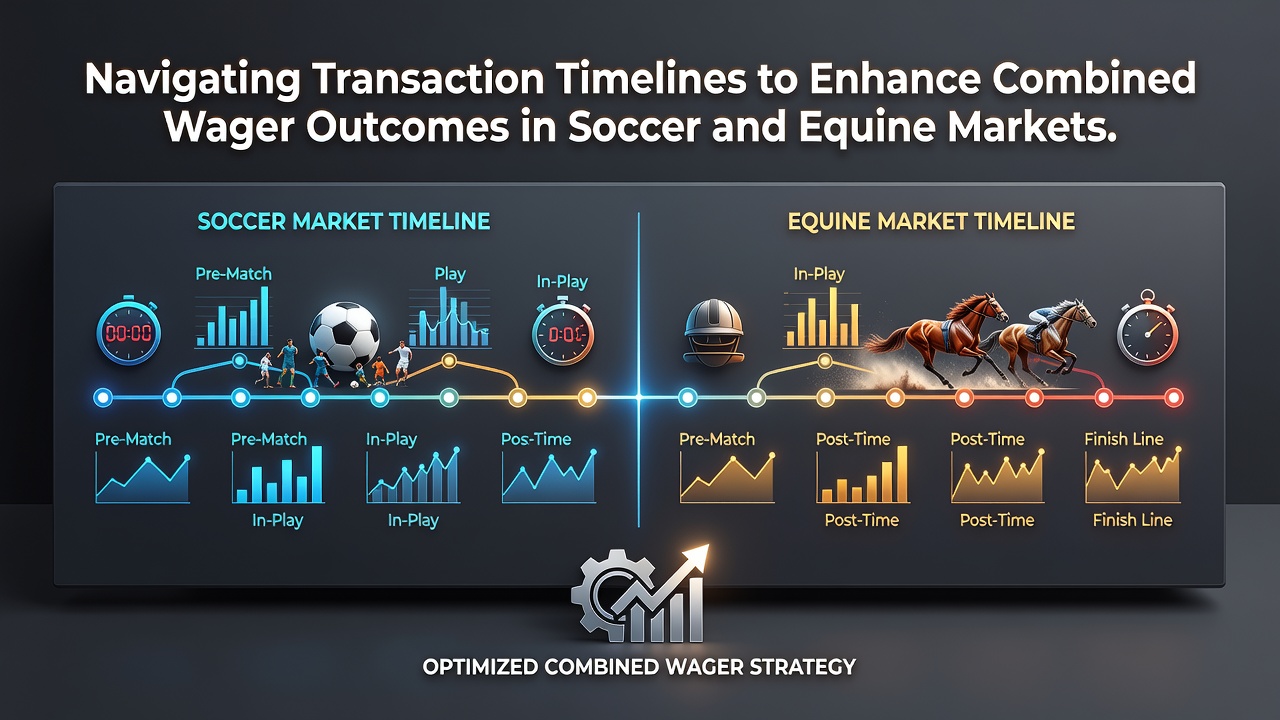
Aligning Payment Schedules with Multi-Market Strategies in Soccer and Equine Betting
Payment processing speeds vary widely across operators and methods, which creates opportunities for bettors who coordinate deposits and withdrawals across soccer and equine markets. Research from the Australian Gambling Research Centre shows that digital wallet transfers typically complete in under 30 seconds during peak hours, while traditional bank wires require 24 to 48 hours for clearance. Those differences matter when a punter wants to move funds from a settled horse racing double into a live soccer accumulator before kickoff.
Deposit Windows and Market Timing
Operators often open deposit channels immediately after a race result posts or a football match concludes, yet the actual crediting time depends on the chosen method. E-wallet users gain access to new balance within minutes, allowing quick placement on the next available equine race or soccer fixture. Bank transfer users encounter longer holds, which can push a planned wager past the point where odds remain favorable. Data from the Canadian Centre on Substance Use and Addiction indicates that 62 percent of combined-market bettors who rely on slower methods miss at least one intended placement per month due to processing delays.
November 2026 schedules already list several overlapping events, including midweek Champions League fixtures followed by evening thoroughbred meetings in Australia and the United States. Bettors who pre-load accounts via instant methods position themselves to capture early lines before syndicates adjust prices. In contrast, those waiting for bank confirmation often find reduced odds or closed markets.
Withdrawal Cycles and Cash-Flow Planning
Successful navigation also requires understanding withdrawal timelines. Many platforms release e-wallet payouts within four hours, whereas card or bank options stretch to three business days. The European Gaming and Betting Association reports that operators using automated verification cut average withdrawal times by 18 hours compared with manual reviews. Bettors who factor these cycles into their overall strategy maintain liquidity for the next combined sequence rather than sitting idle while funds clear.
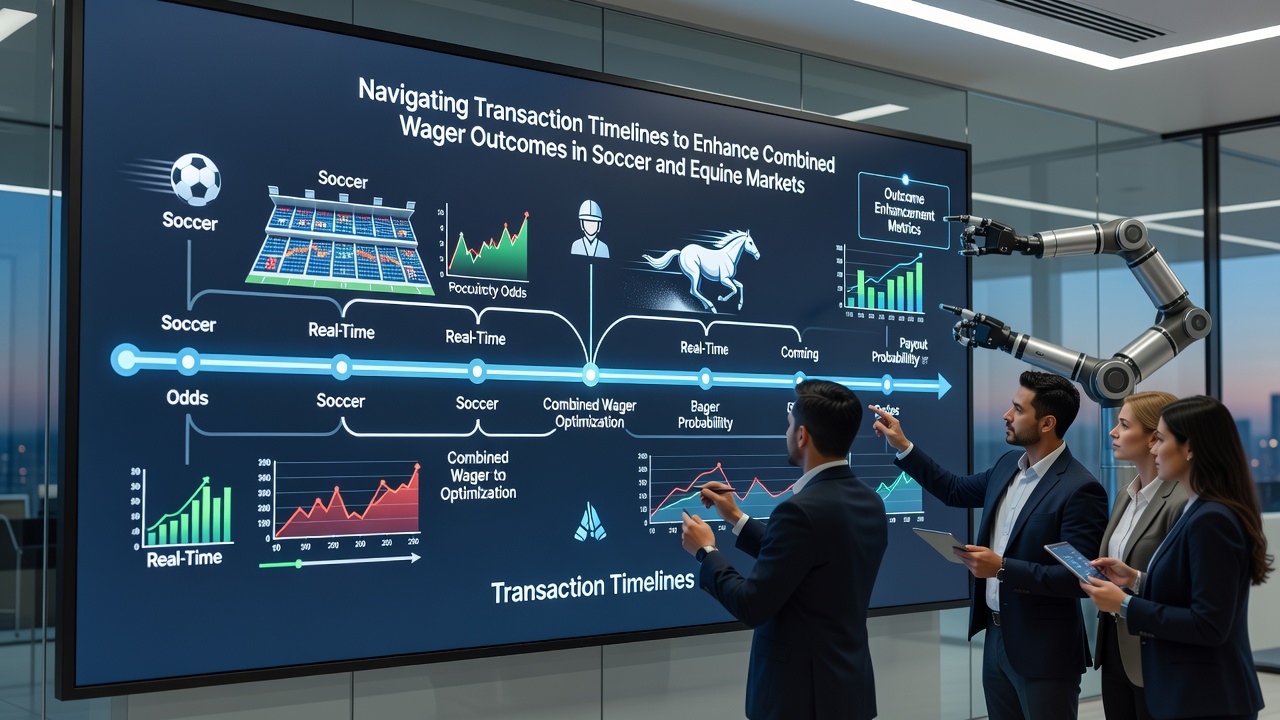
Combined Wager Sequencing Examples
Consider a sequence that begins with a soccer accumulator settled on a Saturday evening. Funds released via e-wallet reach the account before midnight, enabling an immediate horse racing double on Sunday morning races. The same sequence attempted with bank transfers leaves the balance unavailable until Monday, missing several equine events. Observers at major operators note that users who maintain separate wallets for soccer and equine sections reduce transfer friction and keep each market funded independently.
Another pattern involves in-play soccer bets funded by prior equine winnings. When a race payout arrives during a live football match, instant methods allow the bettor to place a cash-out or additional leg while the game remains active. Slower methods force the player to wait, often until after the final whistle when value has shifted. Figures released by the Nevada Gaming Control Board show that mobile wallet transactions during live events increased 27 percent year-over-year in 2025, largely because of this timing advantage.
Regulatory Context and Operator Practices
Regulators in multiple jurisdictions now require clearer disclosure of processing times. The Malta Gaming Authority updated its guidelines in 2025 to mandate that operators display expected deposit and withdrawal durations on account dashboards. Similar rules took effect in New Jersey in early 2026. These disclosures help users plan across markets rather than discovering delays only after initiating a transfer.
Operators have responded by introducing scheduled payout batches and priority queues for verified accounts. Users who complete identity checks in advance move to the front of withdrawal lines, shortening the gap between settlement and available funds. The result is smoother movement between soccer and equine positions without extended downtime.
Conclusion
Transaction timelines directly influence the ability to execute combined soccer and equine wagers on schedule. Bettors who match payment methods to expected settlement windows maintain better cash flow and capture more market opportunities. As November 2026 fixtures continue to overlap, precise coordination of deposits and withdrawals remains a practical factor in multi-market participation.